Early on in the Hatha Yoga Pradipika–a 15th century yogic text–Svātmārāma draws a comparison between the breath (prana) and the mind (chita), and likens them to two fish swimming in tandem. Where one goes the other follows. 

Our breath follows our thoughts and vice versa–they are two sides of the same coin–if you are anxious your breath is different than if you are depressed, or if you are joyous. Breath provides a mirror reflection of our inner world.

The breath-mind connection suffuses asana, pranayama & meditative methods; all of which commonly involve conscious manipulation or tending to the breath,.

You can shape your breath to shape your thoughts.

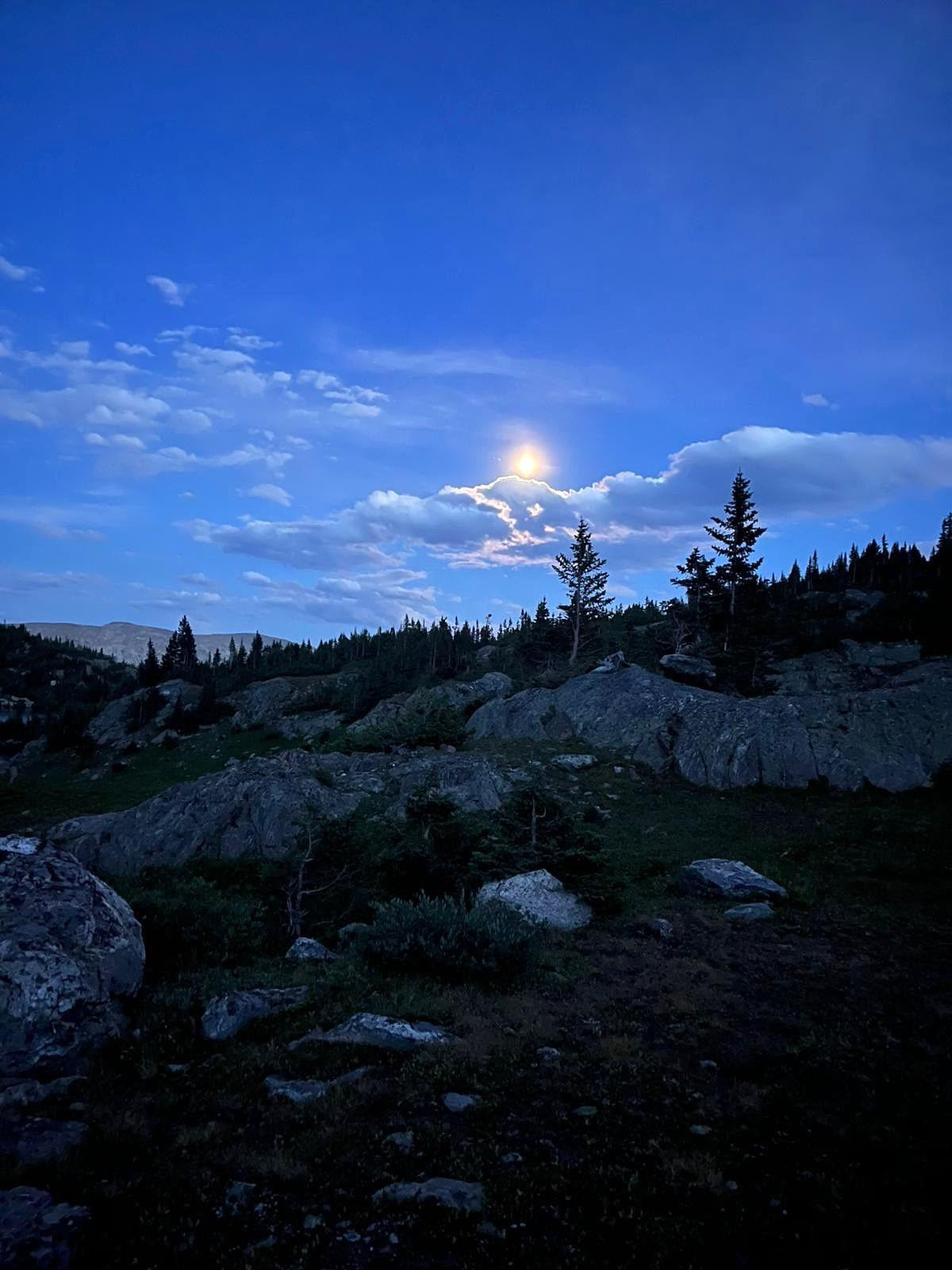
With repeated practice, the breath and mind become very, very still. The mind stands like a clear full moon, reflected in motionless water. Breath and mind suspended.  In that space of stillness, unencumbered peace emerges.

As a simple practice:

  1. Inhale a smooth full-breath through the nose and into the belly.
  2. Exhale a long, smooth breath out through your mouth or nose. Make it about twice as long as your inbreath without any strain.
  3. Repeat 3-5 times and notice the affect.
“Self Development” is a salient feature of any yoga system. However, the traditions don’t stop at refining our personality, improving self-esteem or strengthening our position in the world. 

Rather, they recognize these surface characteristics and aim to discover what lies beyond the topical narrative of one’s thoughts, sense impressions, or circumstances. 

In the words of the Kena Upanishad:

“At whose behest does the mind think? Who bids the body live? Who makes the tongue speak? Who is that effulgent Being that directs the eye to form and color and the ear to sound?

The Self (Atman) is the ear of the ear, mind of the mind, speech of speech. He is also breath of the breath, and eye of the eye.”

Understandable, this may seem like a monumental or impossible leap; from lone personality to supreme identity. Yet, it is said, we are instinctually drawn to Self-realization. All of our efforts in the world are fragmented-expressions of this primal desire to experience the joy of “The Self”–who is utterly complete within itself.

Becoming conscious of our patterned assumptions and returning to a witness perspective–again and again–is a signature feature of asana and meditative practices. Watch the breath, watch sensation, watch thought like a passing cloud.

It is a movement from finite understanding to an increasingly expansive view, all the way to the doorstep of one’s original nature. 

The Self.

Tales from the trail, and its overlaps with yoga, part three….

This is the story of two worlds..

The first world is that of the urban environment in which much of the space is regulated: traffic lights tell you when to stop and go, a hospital awaits down the street, and you can get a ticket for parking on street sweeping days.

We navigate this world with social customs, laws, etc.

The second world is that of Wilderness, in which all of those “safety-nets” drop away and there is an expeditious consequence to one’s actions. The margin for error is much thinner.

The margin for error is much thinner.

Stepping into this world–the world of the trail–asks that I optimize the few things that are within my domain of influence. Namely: the few possessions carried and more essentially, breath body and mind; to hone the vessel.

It asks that I synchronize breath with strides and pace my strides with the sound of mantra; channeling these vital-forces, rather dispersing them. Held in a continual cadence of breath, movement and focus; a different world appears, one marked by the palpable force of  immediacy.

Immediacy: time takes on a different shape as does identity–like a drum beat sounding somewhere between an instinctual animal and a floating node of consciousness.

Through hiking, as with yoga, is an exercise in getting down to the essential, the infrastructure and circumstances of the outer world take a back seat to one’s primal identity.

Hari Om Tat Sat.

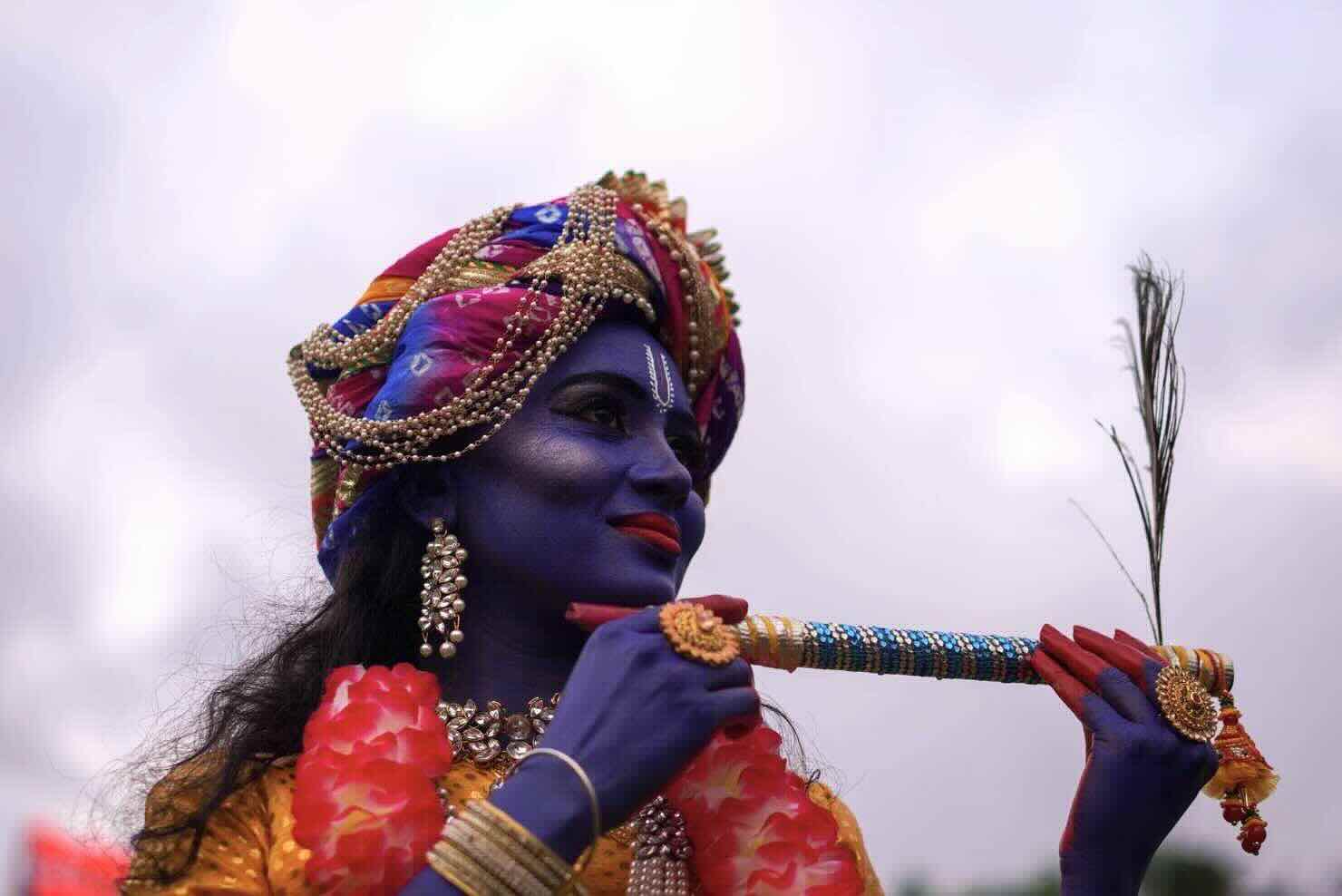
In the Bhagavad Gita, Krishna offers this timeless wisdom:
“You have a right to your actions, but never to the fruits of action.” (2.47)

Krishna offers a timeless distillation of karma yoga, the yoga of action; how to apply the spirit of yoga in daily life.

The teaching invites us to act with care and clarity, but without attachment to outcomes. Whether we teach a class, do the dishes, or contend with a difficult relationship, we can do so with the spirit of seva—selfless service.

When we adopt an attitude of service, we shift from “What can I get?” to “What can I give?” It is a movement from “I” to “we.”

This shift lightens the burden of expectation of what “I get” and opens the heart to the joy of contribution. We begin to show up because it’s meaningful to act, not because we’re guaranteed a particular result.

Our energy becomes more focused, and ironically, our actions often become more impactful—because they are rooted in sincerity, not self-interest.


This week, try offering your efforts as a quiet service. Cook a meal, answer an email, or listen to a friend—not for praise, but as a conscious offering.

Act fully. Let go gracefully. And trust the rest.

I’d recently heard that….

“Most are more interested in the cure than the cause.”

Which struck me as a noteworthy bit of wisdom. This idea certainly comes up in conversations around health and medicine but also pertains to personal relationships.

Ever by-pass your role in a particular dynamic and fast forward to trying to change the “other”? Any parents out there? While this may be semi-satisfying at the moment, if the roots are not tended, the pattern will likely repeat itself again.

Personally, I notice a tendency to want to rush in with an answer, or “solution” rather than to see and hear the multiple aspects of any issue. In many ways, yoga practice aids us to be less presumptive, more patient, and to perceive with greater depth.

In practice, it looks like a movement of energy away from the alleged “cure” and recentering on the “cause.” Sometimes the “cause” of conflict has less to do with the circumstances and more to do with our conditioning.

Understanding our causative role in circumstances is a stepping stone towards greater realization and inner-freedom.

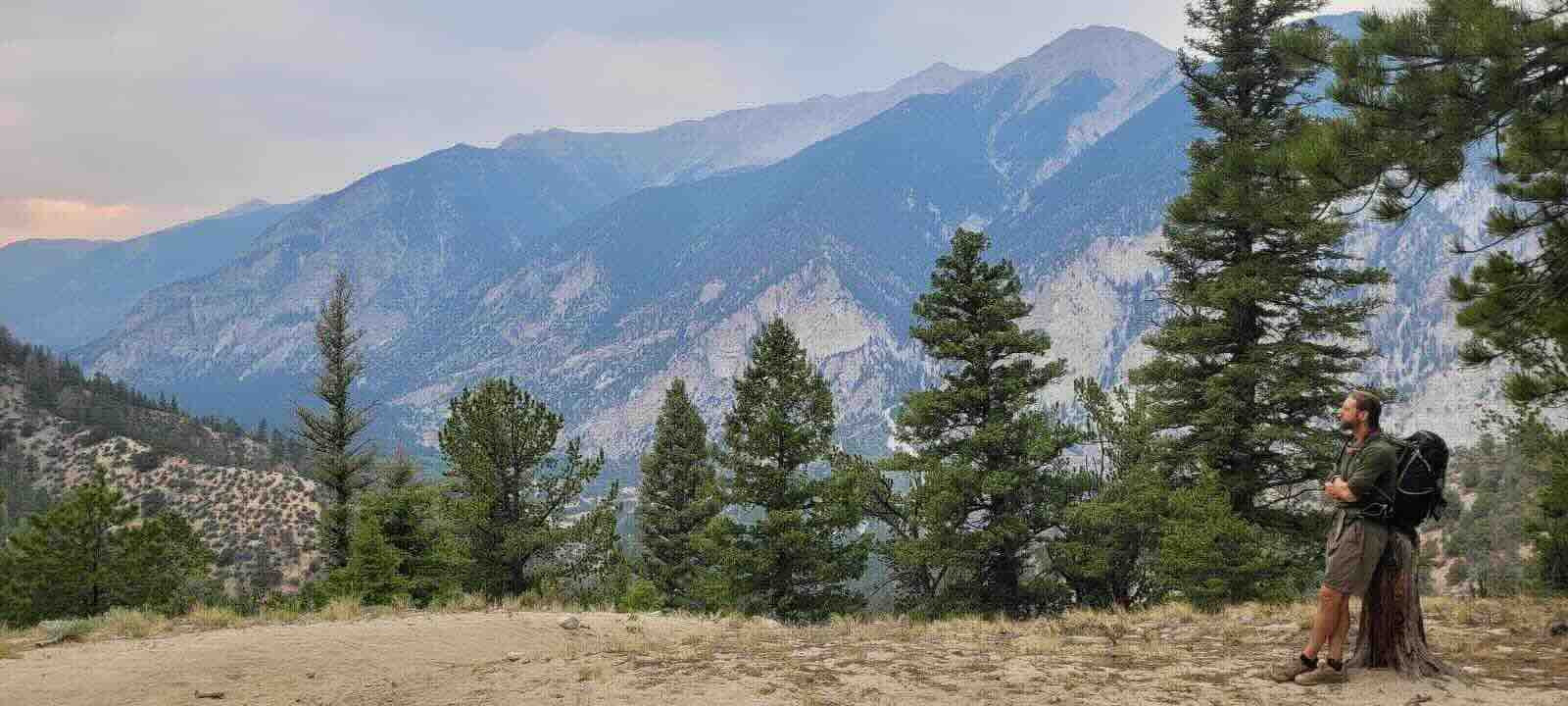
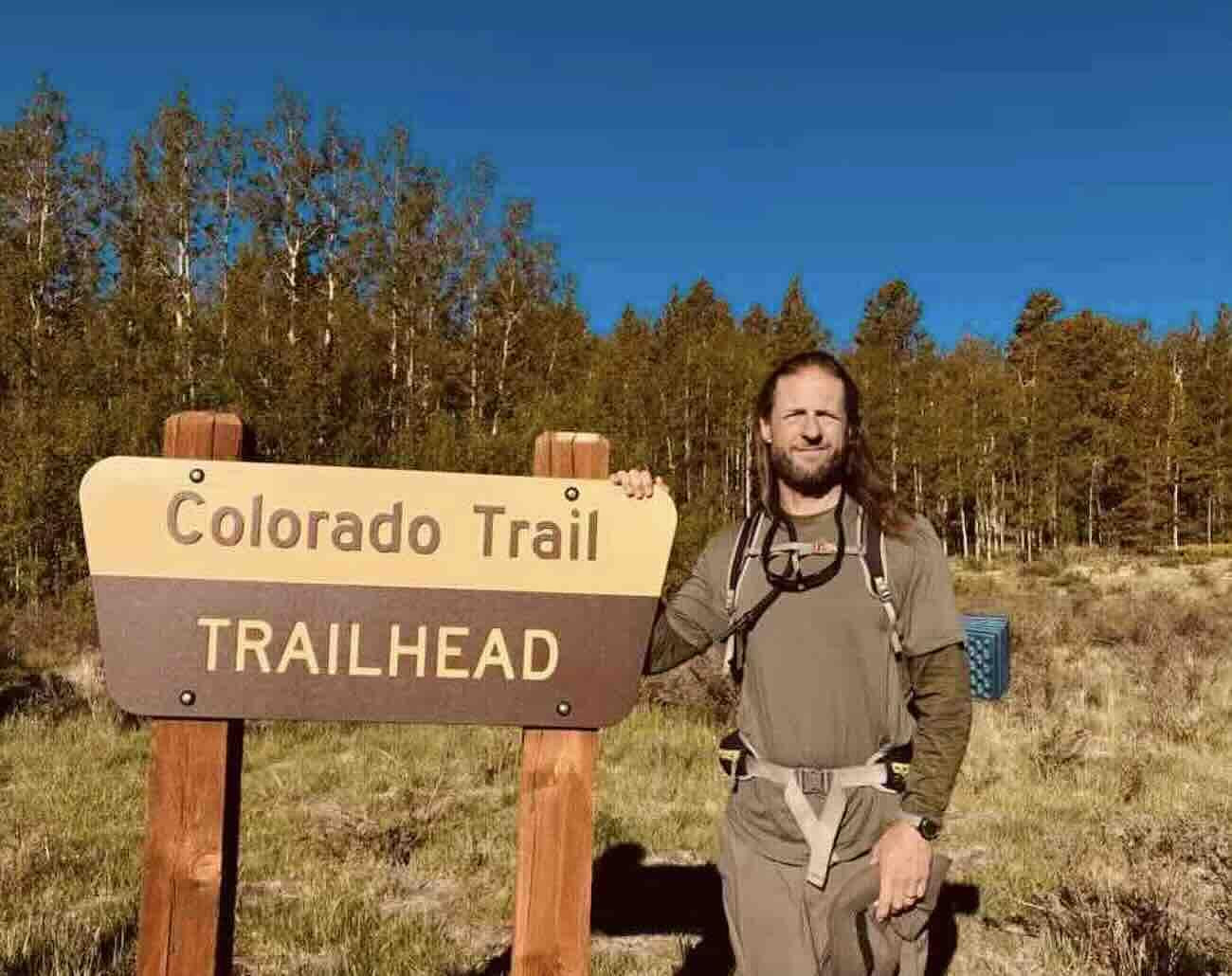
Recently, I completed another segment of the Colorado Trail. And I got a lot of positive feedback from my prior post on “Lessons from the Trail.” So, I thought to share a few lessons from the long path.

Through-hiking offers a unique set of challenges, especially if you are opting to use minimal technology and take your cues directly from the land, it heightens the connection.

I find myself in a continual state of monitoring the outer land–trying to tune into the next water source. And remain mindful of the bodily-vessle; its pace, level of energy, japa, breath regulation, etc.

There is a heightened sense of immediacy. Going without water is of consequence. Missing a turn is a considerable setback. The mind also has moments of doubt and fear.  

Immediacy…..

In a sense, one is forced into the present. The mortgate and the unresolved relationships seem to loose their relavence. 

Getting over the pass is-the-only-thing.

Of course this same teaching is reflected in the classical teachings of yoga; to wake up to the present; and to soften our sense of separation with life and its primal origin. The trail is a mirror, reflecting without and within.

This last Saturday, a mere seven of us gathered, to delight in one another’s songs, poems and stories at our monthly Bhakti Jam.

To tell you the truth, after a full day of teaching, I was reluctant to attend. 

Perhaps I should go home and catch up on a bit of World Cup action?  I mustered up a bit of faith–this world is full of surprises–and felt the words of my teacher….

Finish what you start, even if it is not optimal.

The few of us found our seats amid warm greetings. Each song carried and story carried a light hearted love, and willingness to give of oneself fully. Our small band in full swing.

What we may have lacked in numbers we made up for in heart and sincerity. And by the end of evening we could not wipe the warm grins from their faces.

I was reminded of how yoga practice is an ongoing vigil, even when doubt enters. And how our fulfillment comes less from the particulars of our circumstances, rather, how we chose to interpret those circumstances.

The seeds of resonate-love and expanded awareness lie awaiting at any moment.

Devotion.

It can be a charged notion, particularly if one has some unpleasant religious association with it. But that’s just part of the story.

In my view, it is not so much a question of “if” one has faith and devotion, but rather, faith and devotion in and towards “what?” Do we place our trust in Institutions? Science? The phone? Family? Divinity?

As a yoga practice, devotion is a way of shifting attention away from oneself–and all its finite finite and vexing assumptions–and placing it on a larger force or ideal, a greater cosmic order perhaps.

In yoga class, I often hear an invitation for everyone to “set your intention.”  

In that moment, I sometimes yearn that we may unite our devotions towards a shared higher principle such as “Intrinsic-Love,” “Peace,” or “Acceptance.”  

Maybe there is some singular and trusted-enough principle we can uplift and be in service of?

This tends to happen organically at the end of class, when there is a shared moment of silence, and is often the richest instant in class.  Why not share reveal moment of devoted-connection at the beginning as well?

Devotion, while not commonly given credence in many spaces, softens isolation and magnifies our connection to the deeper ethos of yoga.

This summer, at age 54, I’ve embarked on a new(er) past-time, hiking half (240 miles) of the Colorado Trail, in 2-4 day installments.  

Superficially, the hike may seem distinct from formal yoga practice. But, as I sometimes share with students: “you can take yoga with you anywhere you breathe, think or move.”

Breath regulation synchronized with steps, nasal breathing, intentionally setting one’s gaze, or unwinding with a few poses after 16 miles of hiking are some possible applications.

And sometimes the deeper ethos of yogic teachings are illustrated by the land itself. One connects to the spirit rather than route methodologies.

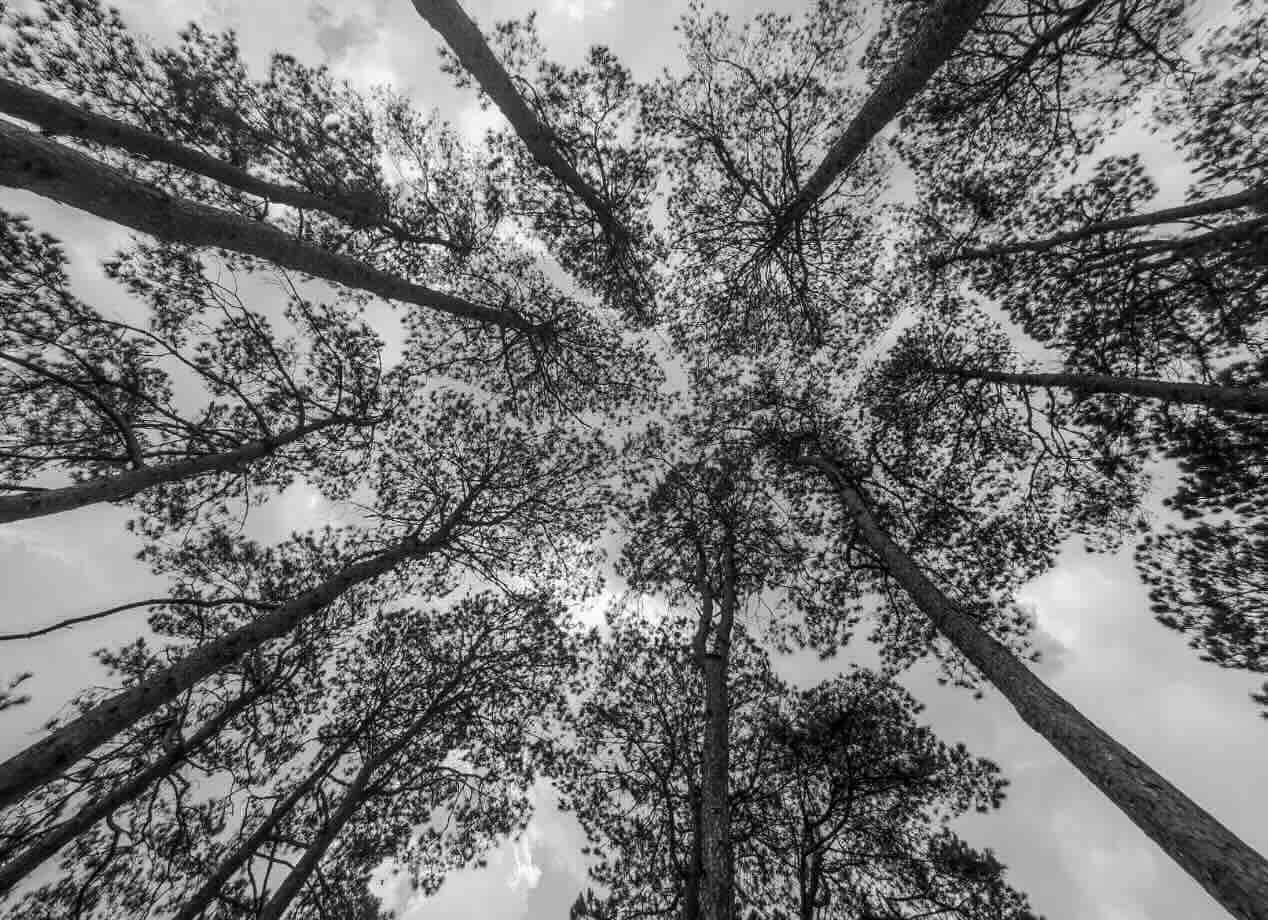
After traversing a particularly difficult  pass, I vividly noticed all the upright, green trees; surrounded by an equal number of brown, horizontal ones. 

Half the forest alive and half of it deceased.

Of course the deceased trees then nourish the soil and enter the bodies of new emergent trees. And so the cycle goes, death is simply an aspect of the greater wheel of life and not a definitive ending.

In other words, death occurs within the greater context of life. 

Life is primary. 

The forest offered no philosophy that day, only a quiet reminder: what appears as an ending is often participation in a larger continuity. Seen this way, practice becomes less about forcing change and more about learning to align with the rhythms that have always sustained us.

I write these pieces from scratch. I bring years of study and a bit of self reflection to the page and try to compose something meaningful in about 200 characters.

There is no limit to knowledge and inspiration, though it seems to have its own pulse and timing, much like everything else in the creation. 

The Muse giv’eth.
The Muse tak’eth.

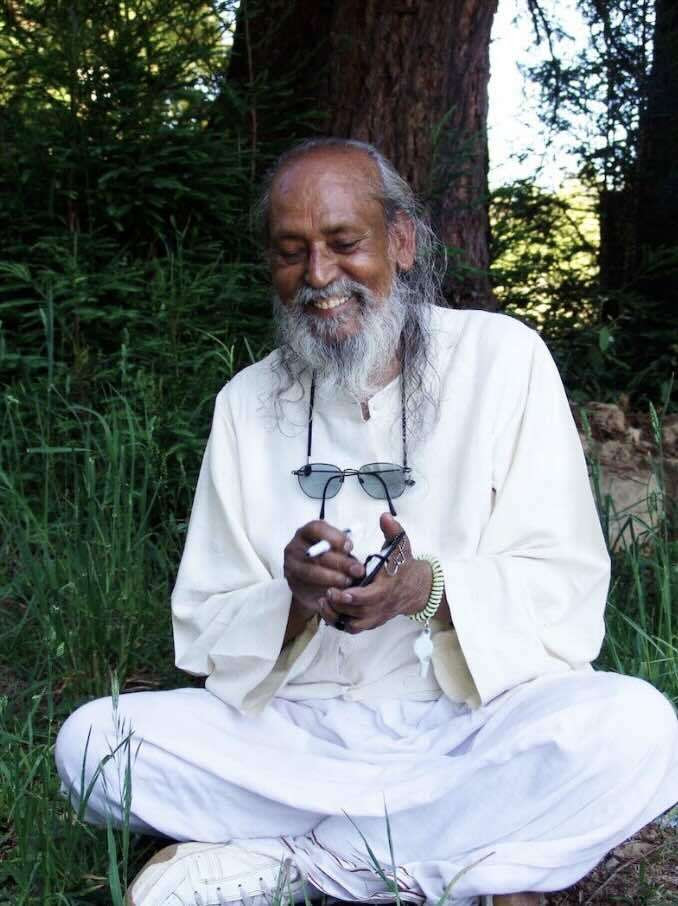
This week (already about 63 characters in, oops, make that 70) I decided to draw a bit of inspiration from my teacher, Baba Hari Dass, a silent monk of over 60 years, who wrote on a chalk board before passing at the age of 96.

The man could convey a great deal in a few words.

I experience relief when I read this. #1 Recognize how much energy is given to posturing a particular identity. #2 It’s a futile way to go about living.

Said a little differently. It’s said that at 18 we concern ourselves with what others may think of us. At 40 we stop caring so much about what they might be thinking. And at 60, we recognize that they were never thinking about us in the first place, the majority of attention was spent managing their own 

veneer. Simply live into the most authentic version of highest nature as you can, amidst the many words and currents of this world.